
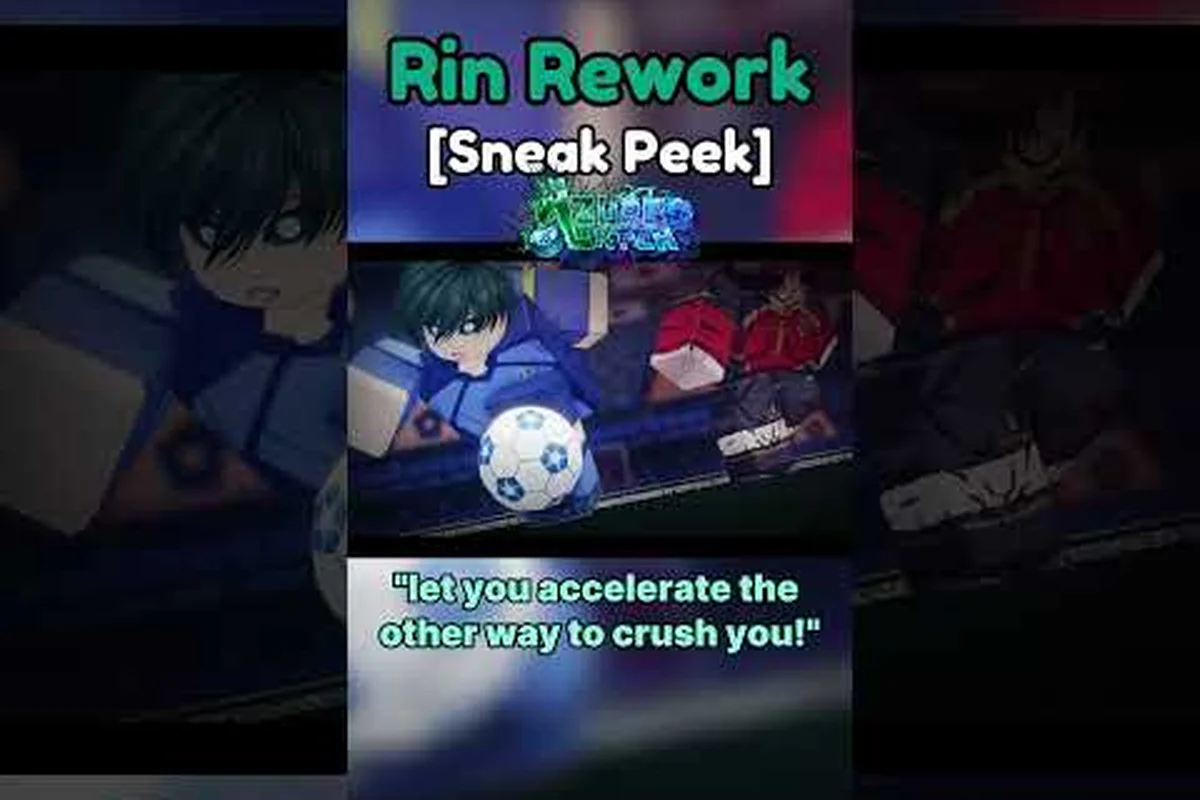
The latest Azure Latch new style teaser is worth watching, but it is worth watching with the right expectations. The developer does not run a formal teaser calendar: there is no published schedule of silhouette drops, no confirmed countdown, and no guaranteed preview before a release. What the studio does do is name each build after its theme and document the update on its official board, and the documented series shows how new Styles actually arrive — Jin Kiyora in Update 14, Tabito Karasu and Eita Otoya in Update 15, and mastery stages in Updates 17 and 18. This page shows how to read those real signals and separates them from the teaser conventions that circulate in the community.
What a New Style Announcement Actually Looks Like
The reliable structure is not a video sequence; it is the update card. When the developer adds a Style, it records the addition on the official Trello board and names the build after the theme of that cycle. That pattern is consistent across the documented series, and it is why the card and the game's own title prefix are the two surfaces worth checking.
What the community calls a teaser is real but informal. The developer posts clips and images through its own channels, and those posts are worth watching, but they do not follow a published cadence and they do not come with confirmed dates. A preview tells you the developer is working on something; it does not tell you what will ship or when.
The Documented Additions So Far
| Update | What the series records |
|---|---|
| Update 14 | Jin Kiyora joins the rollable roster |
| Update 15 | Tabito Karasu and Eita Otoya arrive together |
| Update 16 | Yukimiya Kenyu rework — a rebuild, not an addition |
| Update 17 | Mastery Oliver Aiku plus the mastery system overhaul |
| Update 18 | Mastery Michael Kaiser |
| 18.1 – 18.5 | Nagi and Kunigami strengthening wave; Chigiri's Fast Lane T special |
| 18.5.5 | Fast Lane follow-up, Nagi 1.5, Skill Builder changes, new MVP animation and emote |
Read the right-hand column and a pattern appears: the series alternates between adding a Style, rebuilding one, and extending the mastery track. That alternation is more useful for planning than any rumour, because it tells you the shape of the next likely drop without pretending to know its contents.
Where Announcements Are Posted
The developer's announcements surface in three places. The official Trello board carries the update cards and the Style roster. The official Discord carries the posts and the developer's replies. The Roblox experience page carries the current title prefix and the last-updated date, which together tell you the theme and the date of the live build. That last signal is the fastest of the three: the moment the prefix changes, the subject of the new cycle is public.
Sneak Peeks and What They Can Tell You
Sneak peeks are the informal layer of Azure Latch communication: a clip, a still image, or a short post that shows something the developer is working on. They are genuinely interesting, and they are also the layer most likely to be over-read, because a preview shows you a build state without telling you anything about whether that state will reach the live game.
What a Preview Can and Cannot Confirm
| What a preview shows | What it can support | What it cannot support |
|---|---|---|
| A character render | That the developer is working on that character | Its rarity, moves, or release date |
| A clip of a move | That the move exists in some build | Whether it will ship, or with what numbers |
| A UI screenshot | That a UI state existed at capture time | That the layout is final |
| A countdown or date graphic | Marketing intent | A confirmed release |
| A cosmetic render | That an item exists in some form | Its price, slot, or availability |
The practical rule is to treat a preview as a reason to pay attention, not as a specification. The specification, when it exists, is the update card. The documented series runs Update 14, 15, 16, 17, 18, 18.1 to 18.5 and 18.5.5, on a monthly cadence.
The Cosmetic Signal Is Separate
Cosmetic additions follow their own path and are easier to reason about than mechanic previews, because the cosmetic systems themselves are documented. Emotes have four slots by default and eight with the Extra Emote Slots gamepass. MVP animations are shown when you win MVP, and seasonal ranked finishes grant exclusive ones and exclusive titles. Goal effects and jerseys round out the set, and the 18.5.5 build is the documented example of a polish release adding a new MVP animation and a new emote.
What that means for a preview of a cosmetic is limited: you can be confident the item belongs to one of those systems, but you cannot infer a price, a slot cost, or an availability window from the preview alone. The one cosmetic category with a real time limit is the seasonal one, which is why a seasonal item deserves more attention than a permanent one when you are deciding where to spend.
Reading Developer Communication
Developer communication is the most reliable written source for what is actually happening, and it is also easy to over-interpret. The developer writes in an understated tone and does not publish a formal roadmap, so the useful habit is to separate what a post states from what a reader assumes it implies.
The Three Surfaces
| Surface | What it carries | Reliability |
|---|---|---|
| Roblox experience page | Current title prefix and last-updated date | Authoritative for theme and date |
| Official Trello board | Update cards, Style roster, rarity bands, mechanics, codes | Authoritative log |
| Official Discord | Announcements and developer replies | Authoritative channel |
| Community posts and videos | Impressions, clips, interpretations | Context only — not a source for numbers |
Turning Signals Into Spend Decisions
The spend decisions themselves hinge on a small set of documented numbers. A Style roll costs 250 Style Coins, a duplicate refunds roughly a tenth of that, a Lucky Spin costs 150 Robux or 15,000 Style Coins, and the shop publishes per-band odds of World 1%, Mythic 10%, Legendary 25%, Epic 64%, and Common 0% for that spin. Spin Pity exists and does not stack with a Luck boost.
Given those numbers, the sensible approach to a preview is to keep a Style Coin balance rather than spend it down. A balance of a few rolls is enough to take a chance on a newly announced Style without committing premium currency, and it costs nothing to hold because Style Coins do not expire. If the announced Style is a mastery stage instead of a rollable one, the preparation is different: mastery stages are quest-fed, so the work is playing the Style rather than saving for it.
Building a Personal Prep List
Tracking Azure Latch upcoming updates is easier once you accept that there is no schedule to track. What you can do is prepare a list of decisions that are already true, so that whatever the next drop turns out to be, you are not improvising. The framework below is deliberately small, because a plan built on unannounced specifics is not a plan.
A Simple Prep Framework
| Step | What to check | Action |
|---|---|---|
| Whenever you log in | The live title prefix | Note the current theme so a change stands out |
| When a Style is announced | The official Trello card | Decide whether to bank Style Coins for a roll |
| When a mastery stage is announced | The Style's questline | Keep playing the Style to progress it |
| On patch day | The game itself | Test your build, especially tackles and shots |
| A week later | Your own match results | Decide whether to commit to a new Style |
The single most useful row is the fourth. Because hitbox behaviour shapes how moves connect, any drop is worth a session of retesting the interactions your build depends on. That is true regardless of whether you can predict the patch, which is why it is the highest-value habit on the list.
Preparing for a Cosmetic Drop
Cosmetic preparation is more tractable than mechanical prediction, because the cosmetic systems are documented and their acquisition paths are known. An MVP animation is shown when you win MVP, and seasonal ranked finishes grant exclusive MVP animations and titles, so a player who cares about cosmetics has a concrete avenue: play ranked and finish the season. Emotes come from the four-slot default wheel, expanded to eight with the Extra Emote Slots gamepass, and titles and goal effects round out the set.
What is not documented is a batch schedule for cosmetics, so there is no reliable way to predict when the next emote set arrives. The 18.5.5 build is the documented example of a cosmetic addition landing in a polish release, which suggests they arrive opportunistically rather than on a calendar. Preparing by keeping Style Coins banked is still sensible, because it covers both a cosmetic purchase and a Style roll.
Style Coin Math and the Collection
The cosmetic side of the game deserves its own planning layer because the two main collector targets follow different supply curves. Styles come from a spin whose odds are published, while cosmetics are bought with Cash or earned through play and seasonal finishes. Planning around both at once is more effective than chasing whichever is most visible.
Style Rarity Bands Are Published
The developer publishes the rarity bands on the official Trello board, and they are the honest baseline for any collection plan. Note that the LR band exists but currently has no Styles listed under it, so no LR Style should be expected. The coin costs behind those bands are priced in the Azure Latch Style Coins cost guide.
| Band | Published rate |
|---|---|
| LR Class | 0.00000001% (no Styles currently in this band) |
| World Class | 0.4% |
| Mythic | 1.7% |
| Legendary | 4.3% |
| Epic | 8.5% |
| Common | 85.1% |
Those are the spin odds. The Lucky Spin uses a different published set — World 1%, Mythic 10%, Legendary 25%, Epic 64%, Common 0% — and costs 150 Robux or 15,000 Style Coins. Spin Pity raises your odds of a higher-rarity Style and does not stack with the Luck booster.
Reading the Next Drop
With no announcement to read, the practical approach is to watch the three developer surfaces and act on the first real signal. The title prefix tells you the theme of the live build. A new board card tells you an addition is documented. A Discord post tells you the developer is talking about it. Chasing anything earlier than those three is guesswork, and the cost of guesswork is real: Style Coins spent on a rumour are unavailable when the real drop lands.
Frequently Asked Questions
What does an Azure Latch new style teaser usually show?
It varies. The developer does not follow a published teaser format, so a preview might be a character render, a short clip of a move, or a mention in a Discord post. The one consistent signal is not visual at all: when a Style is actually added, the developer records it on the official Trello board and names the build after the theme of that cycle.
How often do Azure Latch sneak peeks drop before a patch?
There is no published cadence, so any specific interval is a guess. What is documented is the roughly monthly update rhythm stated in the developer's FAQ, and the fact that additions appear on the board when they ship. Treat a preview as a sign of work in progress rather than a countdown.
Where are Azure Latch developer announcements posted?
They surface on the official Trello board, on the official Discord, and on the Roblox experience page, where the title prefix names the current theme and the page records the last-updated date. Those three are the whole official set; there is no separate official news site to monitor.
When do Azure Latch upcoming updates usually drop?
The developer's FAQ describes roughly one update per month, and the documented series fits that pattern, from Update 14 through Update 18 and the 18.1 to 18.5 decimals to the 18.5.5 polish build. No future date is announced, so the honest answer is that the next drop is on a monthly rhythm rather than a published date.
What should I prep before the next Azure Latch update?
Keep a Style Coin balance rather than spending it down, because a roll costs 250 Style Coins and duplicates refund about a tenth. If the drop is a mastery stage instead of a rollable Style, the preparation is different: mastery is quest-fed, so the work is playing the Style. Either way, plan to spend a session retesting your build once the drop lands, since hitbox behaviour decides how your moves connect.